
Cataract With Glaucoma: Can Both Conditions Be Managed During the Same Surgery?
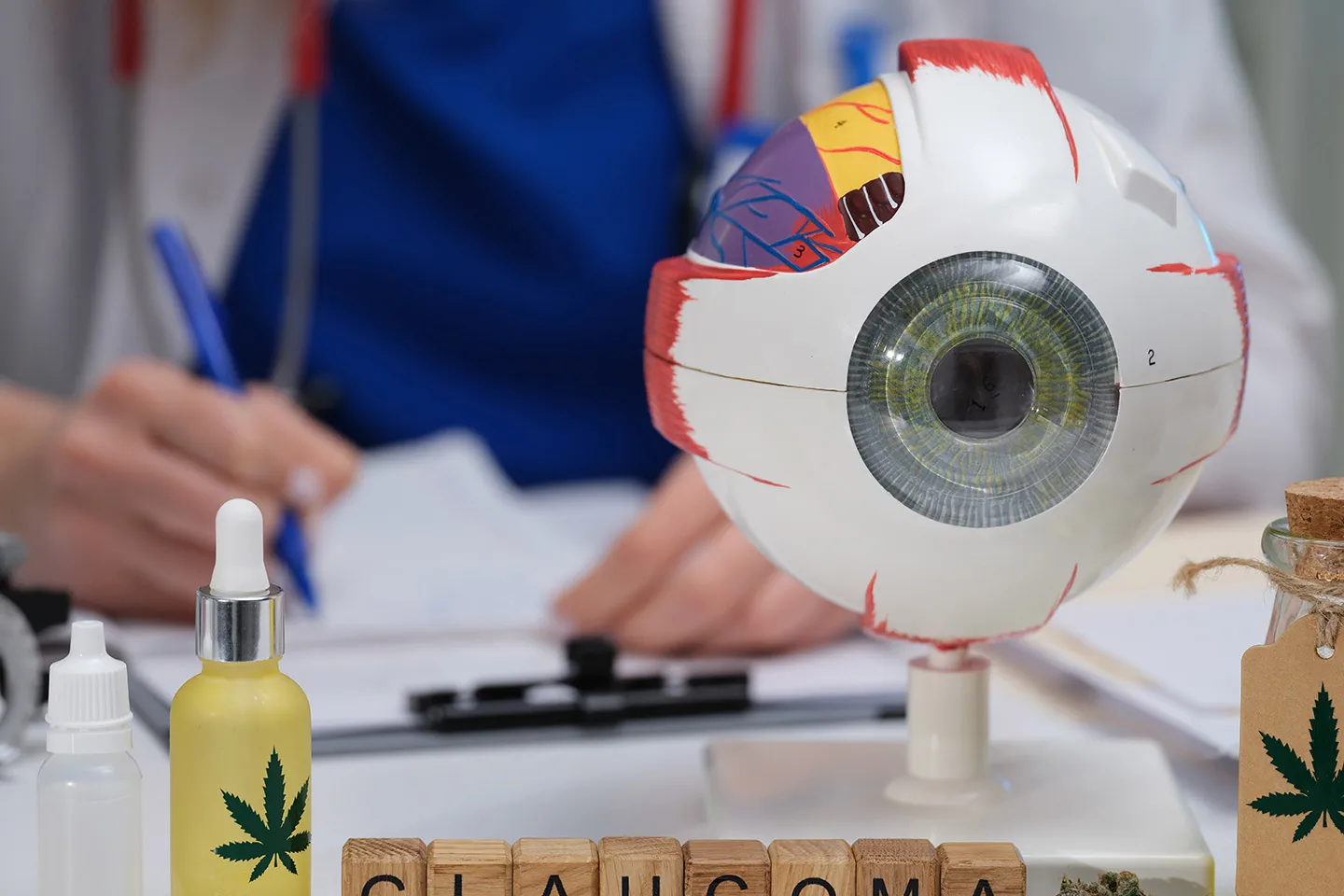
Cataract and glaucoma are two common eye conditions that can affect vision, particularly as people grow older. A cataract causes the natural lens of the eye to become cloudy, leading to blurred or hazy vision. Glaucoma, on the other hand, damages the optic nerve, often due to increased eye pressure, and can gradually affect peripheral vision.
When both conditions occur in the same eye, patients may wonder whether they need two separate operations or whether both can be managed during a single surgical procedure. The answer depends on the type and severity of glaucoma, the stage of cataract, eye pressure, optic nerve health and the patient's overall visual requirements.
In selected cases, cataract surgery can be combined with a glaucoma procedure. This approach may help improve vision while also controlling eye pressure. However, combined surgery is not necessary or suitable for everyone.
How Do Cataract and Glaucoma Affect the Eye Differently?
Although cataract and glaucoma can occur together, they affect different structures of the eye.
A cataract develops when proteins in the natural lens begin to break down and accumulate, making the lens cloudy. Patients may experience:
- Blurred or foggy vision
- Difficulty seeing in dim lighting
- Increased sensitivity to glare
- Halos around lights
- Frequent changes in spectacle power
- Difficulty reading or recognising faces
Glaucoma involves damage to the optic nerve, which carries visual information from the eye to the brain. Raised intraocular pressure is an important risk factor, although glaucoma can also progress in some people with pressure readings within the normal range.
Unlike cataracts, glaucoma-related vision loss is generally irreversible. It may not cause noticeable symptoms in its early stages, which is why regular eye examinations are important.
Can Cataract and Glaucoma Be Treated During the Same Surgery?
Yes, certain patients can undergo combined cataract and glaucoma surgery. The procedure usually involves removing the cloudy natural lens through phacoemulsification and implanting an artificial intraocular lens. A glaucoma procedure may be performed during the same surgical session to help reduce intraocular pressure or improve fluid drainage.
This approach may be considered when:
- The cataract is affecting daily activities and requires surgery.
- Glaucoma is not adequately controlled with medication or other treatment.
- The patient has a type of glaucoma that may benefit from a combined procedure.
- The ophthalmologist believes that treating both conditions together offers a suitable balance of benefits and risks.
However, cataract surgery alone may be sufficient in some patients, particularly when glaucoma is mild and eye pressure is well controlled. Removing the cataract can sometimes improve fluid drainage and lower eye pressure, especially in certain forms of angle-closure glaucoma.
The decision should be based on a detailed assessment rather than the presence of both conditions alone.
Which Glaucoma Procedures Can Be Combined With Cataract Surgery?
The choice of procedure depends on the type of glaucoma, disease severity, target eye pressure and the amount of pressure reduction required.
Minimally Invasive Glaucoma Surgery (MIGS)
MIGS procedures are designed to improve the drainage of fluid from the eye through small incisions or specialised devices. Some MIGS techniques can be performed alongside cataract surgery.
They may be considered for selected patients with mild to moderate open-angle glaucoma, particularly when reducing dependence on pressure-lowering eye drops is an important treatment goal.
MIGS generally involves less tissue disruption than traditional glaucoma surgery. However, the amount of pressure reduction may be limited, making it unsuitable for some patients with advanced glaucoma or very low target pressure requirements.
Trabeculectomy
Trabeculectomy is a conventional glaucoma surgery that creates a controlled drainage pathway to help lower eye pressure. It may be combined with cataract surgery in selected patients who need more substantial pressure control.
This procedure can be useful in certain cases of moderate to advanced glaucoma. However, it requires careful postoperative monitoring because complications such as low eye pressure, infection, scarring and changes in the drainage pathway can occur.
Glaucoma Drainage Devices
In some patients, a drainage implant or tube shunt may be considered to help control eye pressure. These devices allow fluid to drain through an artificial pathway.
A drainage device may be recommended in complex or difficult-to-control glaucoma cases. Whether it should be performed together with cataract surgery or as a separate procedure depends on the condition of the eye and the surgeon's assessment.
What Factors Determine Whether Combined Surgery Is Suitable?
Not every patient with cataract and glaucoma needs combined surgery. Several clinical factors influence the treatment plan.
Type of glaucoma: Open-angle, angle-closure, pseudoexfoliative and other forms of glaucoma may require different approaches.
- Severity of glaucoma: Patients with advanced optic nerve damage may need a lower target eye pressure. A procedure that offers only modest pressure reduction may not be sufficient.
- Current eye pressure: Pressure readings, their fluctuations and the response to existing medications help determine whether additional surgery is necessary.
- Optic nerve and visual field condition: OCT imaging and visual field testing help assess the extent of optic nerve damage and whether the disease is progressing.
- Cataract severity: The degree to which the cataract affects vision and daily activities helps establish the need for cataract surgery.
- Previous eye procedures: A history of laser treatment, glaucoma surgery or other eye operations may influence the choice and timing of treatment.
What Are the Benefits of Combining Both Procedures?
When clinically appropriate, combined cataract and glaucoma surgery may offer several advantages:
- One surgical session: Both conditions can be addressed during the same operation, avoiding the need for two separate procedures in selected cases.
- Improved visual clarity: Removing the cloudy lens can improve vision affected by cataracts.
- Better eye pressure control: The glaucoma procedure may help achieve the required pressure reduction.
- Potentially fewer medications: Some patients may need fewer glaucoma eye drops after surgery, although medication may still be necessary.
- Simplified treatment planning: Combining procedures may reduce the overall number of surgical visits and recovery periods.
These benefits depend on the procedure selected and the patient's response. Combined surgery does not guarantee that glaucoma will stop progressing or that all eye drops can be discontinued.
Are There Any Risks or Limitations?
Like other eye surgeries, combined cataract and glaucoma procedures carry certain risks. These may include inflammation, bleeding, infection, changes in eye pressure, swelling in the retina and problems involving the artificial lens or drainage pathway.
The risks also vary according to the glaucoma procedure. For example, trabeculectomy may require more intensive postoperative monitoring than some MIGS procedures.
Another important consideration is that cataract surgery can improve visual clarity, but it cannot restore vision already lost due to glaucoma-related optic nerve damage. Patients with advanced glaucoma may continue to have visual field limitations even after successful cataract surgery.
The ophthalmologist should explain the expected benefits, limitations and follow-up requirements before surgery.
What Is Recovery Like After Combined Cataract and Glaucoma Surgery?
Recovery depends on the type of glaucoma procedure performed. Patients are generally prescribed eye drops to control inflammation and prevent infection. Additional medication may be required to manage eye pressure.
Follow-up appointments are essential to monitor:
- Intraocular pressure
- Healing of the surgical incisions
- Functioning of the drainage pathway
- Signs of inflammation or infection
- Visual improvement and retinal health
Patients should avoid rubbing or pressing the operated eye and follow instructions regarding physical activity, bathing and the use of prescribed medication.
Some procedures, particularly trabeculectomy, may require additional postoperative interventions to maintain the drainage pathway. Regular monitoring is also important because glaucoma can continue to progress even after surgery.
Can Cataract Surgery Alone Improve Glaucoma?
In certain patients, cataract removal alone can help lower eye pressure. This is particularly relevant in eyes with narrow or closed drainage angles, where the thickened natural lens may contribute to crowding in the front part of the eye.
Removing the natural lens and replacing it with a thinner artificial lens can deepen the anterior chamber and improve access to the drainage angle.
However, this effect is not the same in every type of glaucoma. Patients with open-angle glaucoma may experience only a modest reduction in pressure after cataract surgery. Those with advanced disease may still require glaucoma medication, laser treatment or additional surgery.
Therefore, cataract surgery should not automatically be considered a replacement for glaucoma treatment.
When Should You Consult an Ophthalmologist?
If you have both cataract and glaucoma, an eye examination can help determine which condition needs treatment first and whether a combined procedure is appropriate.
Do not wait for vision to become severely blurred before seeking an assessment. Glaucoma can progress without noticeable symptoms, and delaying treatment may allow further optic nerve damage.
An ophthalmologist can evaluate the cataract, measure eye pressure, examine the optic nerve, assess the drainage angle and review visual field and OCT findings before recommending a treatment plan.
Expert Cataract and Glaucoma Care
Managing cataract and glaucoma together requires careful evaluation of the lens, optic nerve, eye pressure and overall retinal health. While some patients benefit from combined surgery, others may achieve better results through cataract surgery alone or a staged treatment approach.
Dr Vanuli Bajpai, Ophthalmologist, Senior Cataract Surgeon and Medical Retina Specialist, can assess the individual eye condition and guide patients through suitable treatment options. A personalised surgical plan helps address visual needs while considering the long-term protection of the optic nerve.
Frequently Asked Questions
Q: Is it safe to undergo cataract and glaucoma surgery at the same time?
A: Combined surgery is an established option for selected patients. Its safety and suitability depend on the type and severity of glaucoma, eye health and the procedure being considered.
Q: Can cataract surgery reduce eye pressure in glaucoma patients?
A: Yes. Cataract removal can lower eye pressure in some patients, particularly those with angle-closure or narrow-angle glaucoma. The effect varies, and additional glaucoma treatment may still be needed.
Q: Will I need glaucoma eye drops after combined surgery?
A: Some patients may require fewer eye drops after surgery, while others may continue using medication to maintain their target eye pressure. The need for drops depends on the pressure response and glaucoma progression.
Q: Can combined surgery restore vision lost due to glaucoma?
A: No. Cataract surgery can improve vision affected by lens clouding, but it cannot reverse optic nerve damage caused by glaucoma. The main goal of glaucoma treatment is to prevent or slow further vision loss.
Q: Which is better: combined surgery or two separate procedures?
A: Neither approach is universally better. Combined surgery may be suitable when both conditions require treatment, while a staged approach may be preferred in certain complex cases. The decision depends on the patient's eye condition and treatment goals.

Our Location
Find us easily with our location map for convenient visits and directions.


