
Dry Vs Wet Macular Degeneration
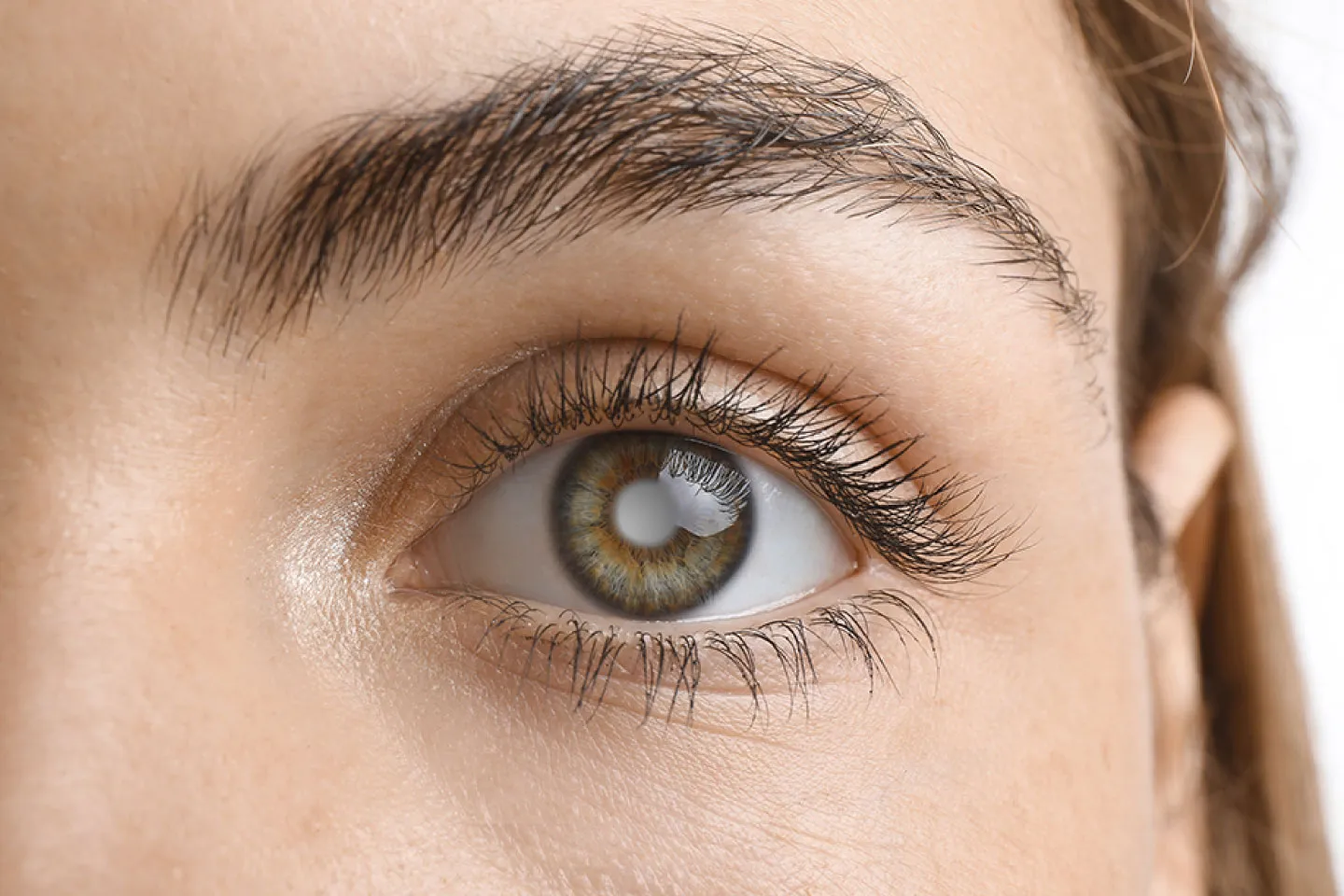
As we age, changes in our eyes can affect the way we see. While some changes are a normal part of aging, others require medical attention because they can gradually impact central vision. One of the most common age-related eye conditions is macular degeneration, also known as age-related macular degeneration or AMD.
The macula is the central part of the retina responsible for sharp, detailed vision. It allows us to read, recognize faces, drive, and perform many everyday activities. When the macula becomes damaged, these tasks may become increasingly difficult.
Macular degeneration is generally classified into two forms: dry macular degeneration and wet macular degeneration. Although both affect the same part of the eye, they differ in how they develop, how quickly vision changes may occur, and the treatments that may be recommended.
Dr. Vanuli Bajpai emphasizes that recognizing early symptoms and undergoing regular eye examinations can help detect macular degeneration before significant vision loss occurs.
What Is Macular Degeneration?
Age-related macular degeneration is a disease that affects the macula, the central portion of the retina located at the back of the eye.
Unlike cataracts, macular degeneration does not usually cause complete blindness because peripheral vision is often preserved. However, it can significantly affect central vision, making activities such as reading, driving, and recognizing faces more challenging.
The condition most commonly affects adults over the age of 50, although the risk increases with advancing age.
Understanding Dry Macular Degeneration
Dry macular degeneration is the more common form of AMD, accounting for most diagnosed cases.
It develops gradually as the light-sensitive cells of the macula become thinner over time. Small yellow deposits called drusen may accumulate beneath the retina, contributing to progressive changes in central vision.
Vision changes usually occur slowly, and many people may not notice symptoms during the early stages.
Symptoms Of Dry Macular Degeneration
Symptoms may include:
- Blurred central vision
- Difficulty reading small print
- Needing brighter light for close work
- Reduced contrast sensitivity
- Colors appearing less vivid
- Mild distortion of straight lines in later stages
- Gradual difficulty recognizing faces
Because symptoms often develop slowly, regular eye examinations are important for early detection.
Understanding Wet Macular Degeneration
Wet macular degeneration is less common but is generally considered the more aggressive form of AMD.
In this condition, abnormal blood vessels grow beneath the retina. These fragile vessels can leak blood or fluid, leading to swelling and damage to the macula.
Without timely treatment, wet AMD may result in more rapid central vision loss.
Symptoms Of Wet Macular Degeneration
Symptoms may include:
- Sudden blurring of central vision
- Wavy or distorted straight lines
- Dark or blank spots in the center of vision
- Rapid decline in visual clarity
- Difficulty recognizing faces
- Distorted appearance of objects
Any sudden change in central vision requires prompt evaluation by an eye specialist.
Dry Vs Wet Macular Degeneration: Key Differences
Dry Macular Degeneration
- More common form of AMD
- Usually progresses gradually
- Caused by degeneration of retinal cells and the buildup of drusen
- Vision changes tend to develop slowly
- Managed with regular monitoring, nutritional support for selected patients, and healthy lifestyle measures
Wet Macular Degeneration
- Less common but more serious form of AMD
- Often progresses more rapidly
- Caused by the growth of abnormal blood vessels beneath the retina
- Vision changes may occur suddenly or worsen quickly
- May require anti-VEGF injections and other appropriate treatments
- Some patients with dry AMD may later develop wet AMD, making regular follow-up important.
Who Is At Risk?
Several factors may increase the likelihood of developing macular degeneration.
These include:
- Age over 50 years
- Family history of AMD
- Smoking
- High blood pressure
- Obesity
- Cardiovascular disease
- Diet low in fruits and leafy green vegetables
- Long-term exposure to ultraviolet light
Having risk factors does not necessarily mean someone will develop the condition.
How Is Macular Degeneration Diagnosed?
A comprehensive eye examination is essential for diagnosis.
Your retina specialist may perform:
Dilated Eye Examination
Dilating the pupils allows detailed examination of the retina and macula.
Optical Coherence Tomography
Optical coherence tomography, commonly known as OCT, produces detailed cross-sectional images of the retina. It helps identify fluid accumulation, retinal swelling, and structural changes.
Retinal Imaging
Color fundus photography documents retinal changes and allows comparison over time.
Fluorescein Angiography
In selected cases, this imaging test helps identify abnormal blood vessels associated with wet AMD.
Treatment For Dry Macular Degeneration
There is currently no treatment that reverses dry AMD.
Management may include:
- Regular monitoring
- Smoking cessation
- Control of blood pressure and other medical conditions
- Healthy diet rich in leafy green vegetables and fish
- AREDS2 nutritional supplements for selected patients based on their ophthalmologist's recommendation
Regular home monitoring using an Amsler grid when advised
Your ophthalmologist will determine whether nutritional supplements are appropriate for your stage of AMD.
Treatment For Wet Macular Degeneration
Treatment aims to slow disease progression and preserve vision whenever possible.
Options may include:
Anti-VEGF Injections
These medications help reduce abnormal blood vessel growth and leakage inside the retina. Multiple treatments are often needed over time.
Laser Treatments
Laser therapy may be considered in selected situations, although it is less commonly used today for many cases of wet AMD.
Regular follow-up is important because additional treatment may be necessary.
Can Macular Degeneration Be Prevented?
Although AMD cannot always be prevented, certain lifestyle measures may help support overall eye health.
These include:
- Not smoking
- Eating a balanced diet rich in vegetables and omega-3 fatty acids
- Maintaining a healthy weight
- Exercising regularly
- Managing blood pressure
- Protecting your eyes from excessive ultraviolet exposure
- Scheduling routine comprehensive eye examinations
When Should You See An Eye Specialist?
Seek prompt medical attention if you notice:
- Sudden central vision changes
- Distorted straight lines
- A dark or blank area in your vision
- Difficulty recognizing faces
- Increasing difficulty reading despite updated glasses
Early evaluation allows timely diagnosis and appropriate management.
Conclusion
Dry and wet macular degeneration both affect the macula but differ in how they develop and progress. Dry AMD generally advances gradually, while wet AMD can lead to more rapid vision changes that often require prompt treatment. Regular eye examinations, awareness of symptoms, and early diagnosis play an important role in preserving vision and maintaining quality of life.
Dr. Vanuli Bajpai provides comprehensive retinal evaluations, advanced imaging, and personalized management for patients with age-related macular degeneration and other retinal disorders, helping patients make informed decisions about their eye health.
FAQs
Q: What is the difference between dry and wet macular degeneration?
A: Dry AMD develops gradually as retinal cells deteriorate, while wet AMD occurs when abnormal blood vessels grow beneath the retina and leak fluid or blood.
Q: Which type of macular degeneration is more common?
A: Dry macular degeneration is the more common form, accounting for most cases of age-related macular degeneration.
Q: Can dry macular degeneration become wet?
A: Yes. Some people with dry AMD may later develop wet AMD, which is why regular eye examinations are important.
Q: Is wet macular degeneration an emergency?
A: Sudden vision changes or distortion may indicate wet AMD and should be evaluated promptly by an ophthalmologist.
Q: Can macular degeneration cause complete blindness?
A: Macular degeneration primarily affects central vision. Peripheral vision is usually preserved, although central vision loss can significantly affect daily activities.
If you notice blurred central vision, distorted straight lines, or other changes in your eyesight, schedule a consultation with Dr. Vanuli Bajpai. She provides comprehensive retinal evaluations, advanced diagnostic imaging, and personalized treatment plans for macular degeneration and other retinal conditions.

Our Location
Find us easily with our location map for convenient visits and directions.


