
10 Early Warning Signs of Eye Diseases You Should Never Ignore
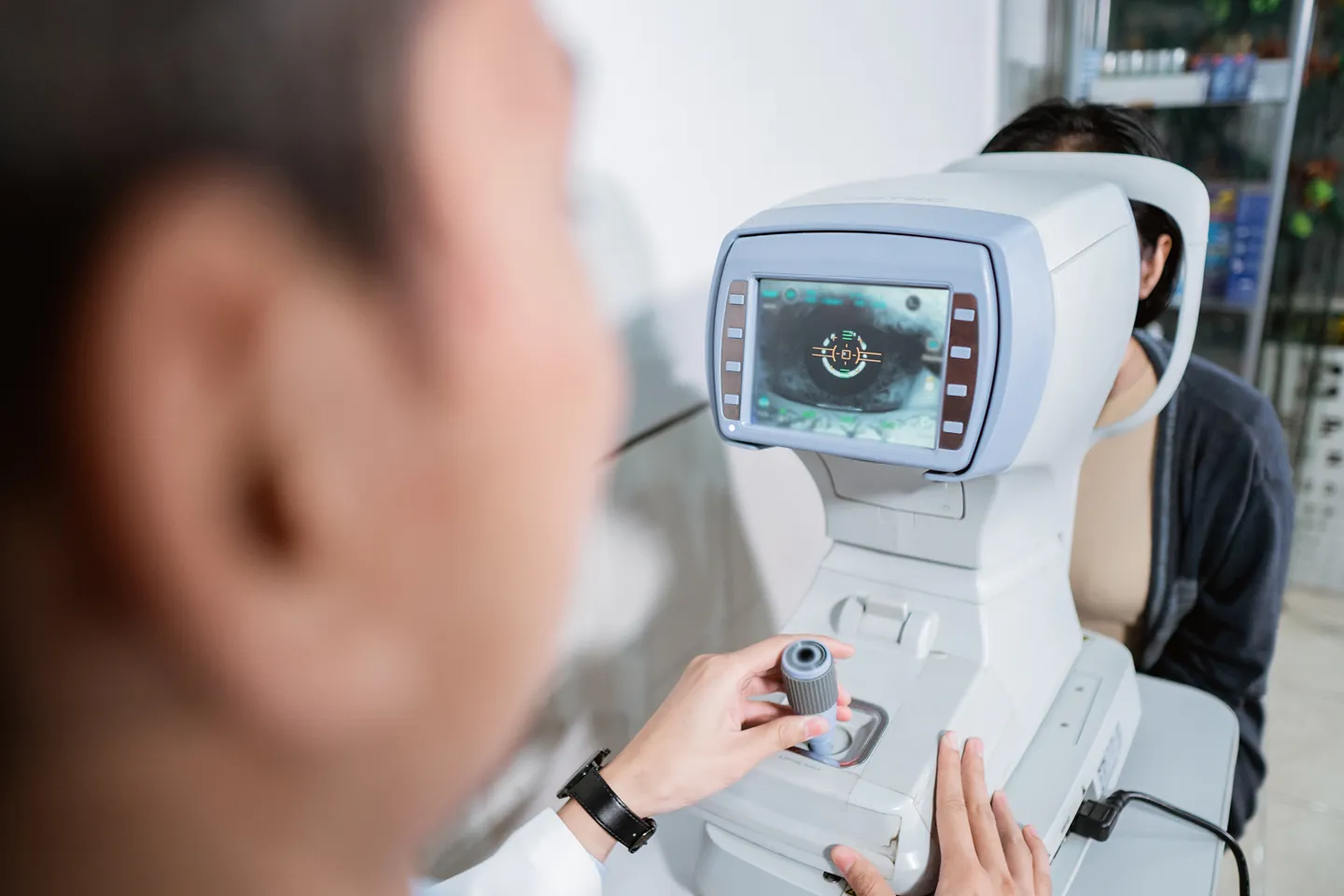
Your eyes are one of the most sensitive and complex organs in your body. Yet, many people ignore early symptoms of eye problems until they become severe. Most eye diseases begin silently—but when caught early, they can often be treated successfully, preventing long-term damage or vision loss.
In this guide, Dr. Vanuli Bajpai highlights the 10 most important early warning signs that should never be overlooked. Recognizing these symptoms and seeking timely medical advice can make all the difference in preserving your vision.
1. Blurred or Distorted Vision
Sudden or gradual blurring of vision is one of the earliest indicators of several eye issues. If you notice difficulty focusing, wavy lines, or objects appearing distorted, it could be due to:
- Cataract
- Macular degeneration
- Diabetic retinopathy
- Refractive errors
- Retinal diseases
Seek immediate evaluation if the blurring happens suddenly, as it may be a sign of retinal problems or even a stroke-related eye issue.
2. Persistent Redness of the Eyes
Occasional eye redness is usually harmless, but persistent or recurrent redness may signal an underlying condition such as:
- Uveitis
- Conjunctivitis (allergic, viral, or bacterial)
- Glaucoma
- Dry eye disease
If redness is accompanied by pain, light sensitivity, or discharge, it requires prompt examination by an ophthalmologist.
3. Eye Pain or Discomfort
Healthy eyes typically do not hurt. Eye pain—whether dull, sharp, or throbbing—may indicate:
- Acute angle-closure glaucoma (a medical emergency)
- Corneal injury or ulcer
- Severe dry eye
- Optic neuritis
Pain along with headaches, nausea, or seeing halos around lights can be especially concerning and should be treated urgently.
4. Sensitivity to Light (Photophobia)
If your eyes suddenly become sensitive to sunlight, indoor lighting, or digital screens, it may be due to:
- Uveitis
- Corneal abrasion
- Migraine
- Eye infections
Persistent photophobia is not normal and may be an early warning sign of deeper inflammation or corneal issues.
5. Sudden Increase in Floaters or Flashes
Seeing floaters (tiny specks or cobweb-like shadows) occasionally is common, especially with age. However, a sudden increase in floaters or flashes of light could signify:
- Retinal tear
- Retinal detachment
- Posterior vitreous detachment
Retinal detachment is a sight-threatening emergency. If you notice new floaters, flashes, or a shadow/curtain over your vision—seek immediate care.
6. Loss of Peripheral (Side) Vision
A gradual reduction in side vision often goes unnoticed until it significantly progresses. This is a classic early symptom of Glaucoma.
Since glaucoma usually causes painless and slow damage, early detection through regular eye exams is essential. If you find yourself bumping into objects or having trouble seeing things from the corner of your eye, schedule an eye check-up right away.
7. Difficulty Seeing at Night (Night Blindness)
If driving or walking in low-light conditions becomes increasingly difficult, it may be due to:
- Cataract
- Vitamin A deficiency
- Retinitis pigmentosa
- Early glaucoma
Poor night vision is not just an inconvenience—it's often an early indicator of degenerative changes in the retina or lens.
8. Double Vision (Diplopia)
Seeing two images of a single object—vertically, horizontally, or diagonally—is a serious symptom. It may be associated with:
- Corneal irregularities
- Cataract
- Stroke
- Cranial nerve palsies
- Thyroid eye disease
Double vision should never be ignored, as it may be linked to neurological conditions requiring urgent intervention.
9. Watery or Dry Eyes That Don’t Improve
Excessive tearing or chronic dryness may seem minor but can indicate deeper issues:
- Dry eye syndrome
- Meibomian gland dysfunction
- Corneal disease
- Allergies
- Blocked tear ducts
If over-the-counter eye drops don’t help, it’s important to get a professional evaluation to prevent deteriorating eye surface health.
10. Sudden or Gradual Vision Loss
Any amount of vision loss, partial, complete, sudden, or gradual, is a red flag. Causes may include:
- Retinal detachment
- Stroke affecting visual pathways
- Macular degeneration
- Diabetic retinopathy
- Optic nerve disorders
Vision loss requires immediate medical attention to prevent permanent damage.
Why Early Detection Matters
Most eye diseases progress silently, especially conditions like glaucoma and diabetic retinopathy. By the time clear symptoms appear, significant and irreversible damage may have already occurred. Regular eye exams combined with prompt evaluation of symptoms can:
- Prevent vision loss
- Detect diseases early
- Improve treatment outcomes
- Reduce complications in systemic diseases like diabetes or hypertension
When to See an Eye Specialist Immediately
Seek urgent evaluation if you notice:
- Sudden vision loss
- Severe eye pain
- Sudden flashes or floaters
- Redness with pain or light sensitivity
- Double vision
- A shadow or curtain in your field of vision
These symptoms may indicate emergency conditions requiring immediate treatment.
Tips to Maintain Healthy Eyes
- Get comprehensive eye exams every 1–2 years
- Manage diabetes, blood pressure, and cholesterol
- Wear UV-protective sunglasses
- Limit screen time and follow the 20-20-20 rule
- Eat foods rich in vitamin A, C, E, omega-3, and lutein
- Avoid smoking
- Keep your contact lenses clean and follow hygiene rules
Making eye health a priority today can save your vision tomorrow.
Final Thoughts by Dr. Vanuli Bajpai
Your eyes deserve attention and care—after all, they are your windows to the world. If you notice any of the warning signs listed above, don’t delay seeking expert advice. Early diagnosis and timely treatment are the key to protecting your vision for life.

Our Location
Find us easily with our location map for convenient visits and directions.


