
How Refractive Errors Affect Learning In Children
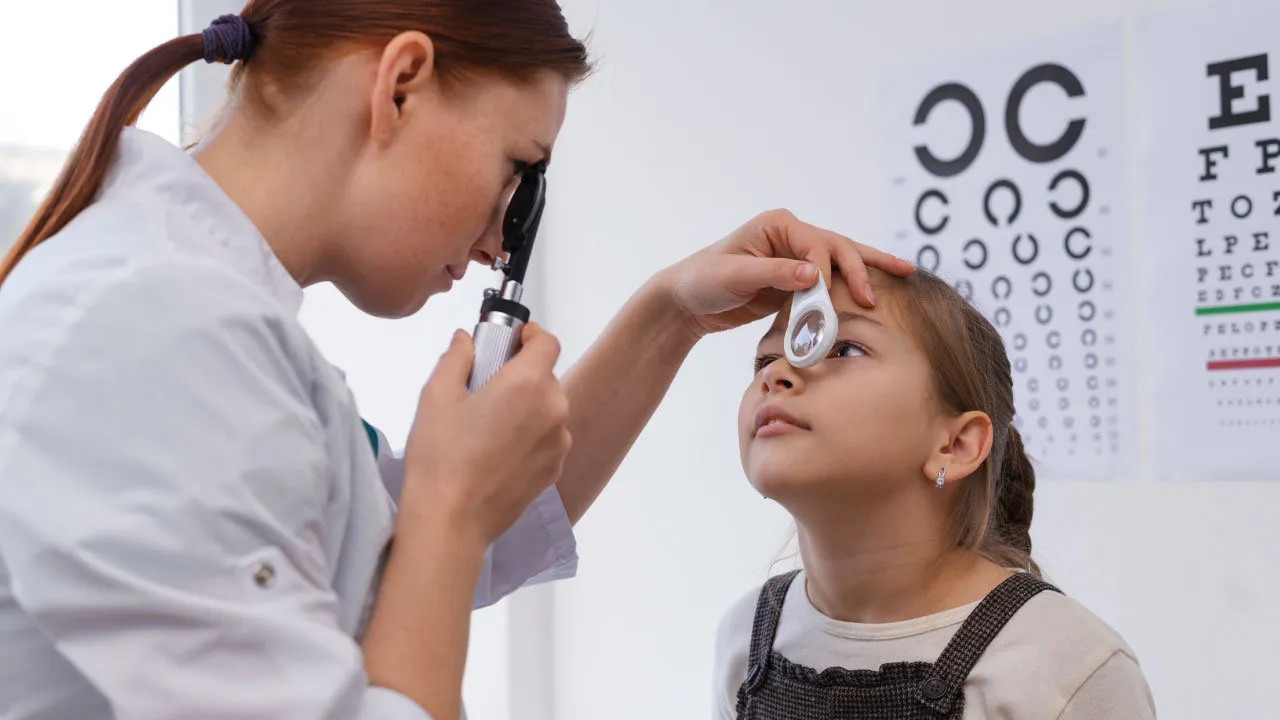
Children learn by seeing. Whether they're reading a book, writing on the board, solving puzzles, or participating in classroom activities, clear vision plays a vital role in how they understand and interact with the world around them. When a child has an untreated refractive error, even simple learning tasks can become challenging.
The difficulty is that children often don't realize their vision is blurry because they assume everyone sees the same way they do. Instead of saying they can't see clearly, they may struggle in school, lose interest in reading, or appear distracted. Recognizing these subtle signs early can make a significant difference in both their academic performance and confidence.
What Are Refractive Errors?
A refractive error occurs when the eye doesn't focus light correctly on the retina, resulting in blurred vision. These are among the most common eye conditions in children and are usually corrected with prescription glasses or contact lenses in appropriate cases.
The main types include:
- Myopia (Nearsightedness): Difficulty seeing distant objects clearly.
- Hyperopia (Farsightedness): Difficulty focusing on nearby objects, especially during prolonged reading.
- Astigmatism: Blurred or distorted vision at both near and far distances due to an irregularly shaped cornea or lens.
Early diagnosis helps ensure these vision problems don't interfere with a child's daily activities and learning.
How Can Vision Problems Affect Learning?
Good vision is essential for nearly every classroom activity. Children spend much of their school day reading, writing, looking at digital screens, and copying information from the board.
When vision is blurred, they may:
- Have difficulty reading textbooks
- Struggle to see the classroom board
- Lose their place while reading
- Read more slowly than their classmates
- Make frequent mistakes when copying notes
- Become tired more quickly during schoolwork
Over time, these challenges may affect academic performance even though the child has the ability to learn.
Signs Parents and Teachers Should Watch For
Many children don't complain about poor vision because they think it's normal. Instead, they may develop habits that suggest they're having trouble seeing.
Common signs include:
- Sitting very close to the television
- Holding books too close to the face
- Squinting frequently
- Complaining of headaches
- Rubbing their eyes often
- Poor concentration while reading
- Avoiding homework or reading activities
- Reduced interest in classroom participation
If these signs persist, an eye examination is recommended.
Can Refractive Errors Affect Behavior?
Yes. When seeing clearly requires extra effort, children may become frustrated or lose focus during lessons. Some may appear inattentive, restless, or uninterested in schoolwork when the real issue is difficulty seeing.
Vision problems can sometimes be mistaken for learning or behavioral difficulties. Addressing the underlying refractive error often helps children participate more comfortably in classroom activities and improves their confidence.
Why Early Eye Examinations Matter
Routine vision screening is helpful, but it doesn't replace a comprehensive eye examination. A detailed evaluation by a pediatric ophthalmologist can identify refractive errors as well as other eye conditions that may affect vision.
Early diagnosis allows timely correction with appropriate glasses and helps support healthy visual development during the important school years.
Children should also have their eyes examined if parents or teachers notice changes in their vision, school performance, or visual behavior.
How Are Refractive Errors Treated?
Most refractive errors are easily corrected with prescription glasses. In selected older children, contact lenses may also be an option based on age, lifestyle, and eye health.
Regular follow-up appointments are important because children's eyes continue to grow, and their prescriptions may change over time.
Encouraging outdoor play, maintaining healthy screen habits, and following your eye doctor's recommendations also support long-term eye health.
Clear Vision Supports Better Learning
Every child deserves the opportunity to learn without the added challenge of blurred vision. Since many children don't realize they have a vision problem, regular eye examinations play an important role in identifying refractive errors before they begin affecting school performance, confidence, and daily life.
If your child is struggling in school, squinting frequently, or complaining of headaches after reading, don't assume it's simply a lack of interest. A comprehensive eye examination could reveal a simple, treatable cause.
Discuss Your Child’s Eye Health With Dr. Vanuli Bajpai
If you notice signs of vision problems or learning difficulties in your child, consult Dr. Vanuli Bajpai, an Ophthalmologist specializing in refractive errors. Early diagnosis and treatment of refractive errors can support healthy vision, improve learning, and help your child reach their full potential.
Frequently Asked Questions
Q: At what age should children have their first comprehensive eye examination?
A: Eye examination schedules vary based on age and risk factors. Your pediatrician or pediatric ophthalmologist can recommend the appropriate timing for your child.
Q: Can refractive errors affect school performance?
A: Yes. Blurred vision can make reading, writing, and seeing the classroom board difficult, affecting learning and concentration.
Q: Will wearing glasses make my child's eyes weaker?
A: No. Glasses simply correct blurred vision and help children see clearly. They do not weaken the eyes.
Q: Can my child's glasses prescription change over time?
A: Yes. As children grow, their eyes also develop, so regular follow-up examinations are important.
Q: What symptoms suggest my child needs an eye examination?
A: Squinting, headaches, sitting too close to the TV, holding books very close, eye rubbing, and difficulty in school may all indicate a vision problem.

Our Location
Find us easily with our location map for convenient visits and directions.


