
When Are Laser Treatments Considered For Glaucoma?
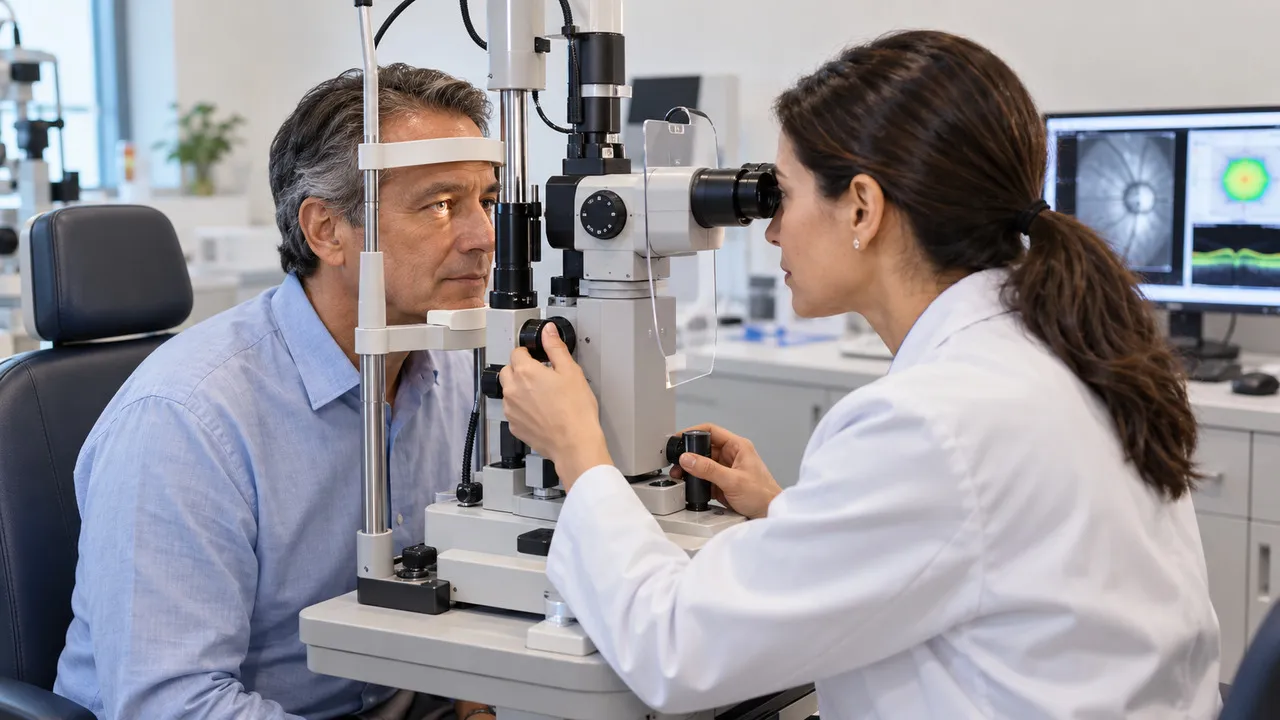
Glaucoma is a group of eye conditions that can damage the optic nerve and gradually affect vision. Because glaucoma often develops without noticeable symptoms in its early stages, regular eye examinations are important, especially for people at higher risk.
Treatment for glaucoma aims to lower eye pressure and reduce the risk of further optic nerve damage. Depending on the type and severity of glaucoma, treatment may include prescription eye drops, laser procedures, surgery, or a combination of approaches.
Laser treatment is not required for everyone with glaucoma. However, it can be an effective option for selected patients and may sometimes be recommended before conventional surgery.
Dr. Vanuli Bajpai can assess your eye pressure, optic nerve health, visual field, and type of glaucoma to determine whether laser treatment may be appropriate for your condition.
Why Is Eye Pressure Important In Glaucoma?
The eye contains a clear fluid called aqueous humor. Normally, this fluid is continuously produced and drained from the eye.
When drainage is impaired, fluid can build up and increase intraocular pressure. Elevated pressure can contribute to damage of the optic nerve, although glaucoma can also occur in people whose eye pressure is within the usual range.
Because optic nerve damage is generally irreversible, the goal of glaucoma treatment is to control risk factors such as eye pressure and protect the remaining vision.
What Are Laser Treatments For Glaucoma?
Laser treatment uses focused light to change the way fluid moves through or leaves the eye.
There are different laser procedures, and the appropriate one depends on the type of glaucoma and the anatomy of the eye.
Common laser approaches include:
- Laser peripheral iridotomy
- Selective laser trabeculoplasty
- Argon laser trabeculoplasty
- Cyclophotocoagulation
These procedures are not interchangeable. Each has a different purpose and is used for particular clinical situations.
When Is Selective Laser Trabeculoplasty Considered?
Selective laser trabeculoplasty, or SLT, is commonly considered for people with open angle glaucoma or ocular hypertension when lowering eye pressure is necessary.
The laser targets the drainage area of the eye, known as the trabecular meshwork. The treatment is intended to improve fluid drainage and lower intraocular pressure.
SLT may be considered as an initial treatment in some patients, as an alternative or addition to glaucoma eye drops, or when eye drops are difficult to use consistently.
The effect of SLT varies between individuals, and pressure can rise again over time. In some cases, the procedure can be repeated depending on the patient's circumstances.
When Is Laser Peripheral Iridotomy Used?
Laser peripheral iridotomy is mainly used for angle closure glaucoma or eyes at risk of angle closure.
In this procedure, a tiny opening is created in the peripheral iris using a laser. This provides an alternative pathway for fluid movement and can help open or prevent closure of the drainage angle in appropriate eyes.
Angle closure can sometimes develop suddenly and cause severe eye pain, redness, blurred vision, halos around lights, headache, nausea, or vomiting. Acute angle closure is an eye emergency and requires immediate medical attention.
Can Laser Treatment Replace Glaucoma Eye Drops?
Sometimes, laser treatment may reduce the need for glaucoma medication, but it does not automatically eliminate the need for eye drops.
The response to laser treatment varies. Some patients achieve sufficient pressure reduction to decrease or temporarily avoid medications, while others still need eye drops or additional treatment.
Your ophthalmologist will monitor your eye pressure and optic nerve health to determine whether your treatment plan needs adjustment.
Can Laser Treatment Cure Glaucoma?
Laser treatment does not cure glaucoma or reverse existing optic nerve damage.
Its purpose is to lower eye pressure or address the underlying mechanism contributing to pressure elevation, depending on the type of laser used.
Regular monitoring remains important even when laser treatment successfully lowers eye pressure because glaucoma is a chronic condition that requires ongoing management.
Who May Benefit From Laser Treatment?
Laser treatment may be considered when:
- Eye pressure remains above the desired target
- Medication is not well tolerated
- Using eye drops consistently is difficult
- Open angle glaucoma is suitable for SLT
- The eye has anatomical features associated with angle closure
- Additional pressure reduction is needed despite medication
- A doctor believes laser treatment may provide an appropriate balance of benefits and risks
The decision depends on the type of glaucoma, the drainage angle, optic nerve condition, eye pressure, previous treatment, and overall eye health.
What Happens During A Glaucoma Laser Procedure?
Most glaucoma laser procedures are performed on an outpatient basis.
The eye is usually numbed with anesthetic drops, and a special lens may be placed on the eye to help the ophthalmologist focus the laser accurately.
You may notice flashes of light during treatment, but significant pain is not usually expected. The duration depends on the type of laser procedure being performed.
Your doctor may check your eye pressure after treatment and prescribe medication if necessary.
What Is Recovery Like After Laser Treatment?
Some patients experience temporary redness, mild irritation, blurred vision, or light sensitivity after laser treatment. These symptoms usually improve, but recovery varies depending on the procedure.
Your ophthalmologist will provide specific instructions and schedule follow-up examinations to check eye pressure and assess the response to treatment.
It is important to continue prescribed glaucoma medications unless your doctor specifically tells you to change or stop them.
Are Glaucoma Laser Treatments Safe?
Laser treatment is widely used in glaucoma care, but like any medical procedure, it has potential risks.
Possible complications vary according to the type of laser and may include temporary inflammation, changes in eye pressure, discomfort, or other eye-related complications.
Your ophthalmologist will explain the expected benefits and potential risks before treatment and determine whether laser therapy is appropriate for you.
Why Regular Follow Up Matters
Glaucoma can progress without obvious symptoms. Feeling that your vision is normal does not necessarily mean that the disease is stable.
After laser treatment, regular follow-up remains important. Your doctor may monitor eye pressure, optic nerve appearance, visual fields, and other findings to determine whether the treatment is adequately controlling the disease.
If the target eye pressure is not achieved, additional medication, repeat laser treatment, or surgery may sometimes be considered.
When Should You See An Eye Specialist?
You should schedule an eye examination if you have been diagnosed with glaucoma, have elevated eye pressure, or have risk factors for glaucoma.
Seek urgent medical attention if you develop sudden severe eye pain, marked redness, sudden blurred vision, halos around lights, headache, nausea, or vomiting, as these can be symptoms of acute angle closure glaucoma.
Dr. Vanuli Bajpai can assess your eyes and discuss whether laser treatment, medication, monitoring, or another treatment approach is appropriate for your condition.
Protect Your Vision With Timely Glaucoma Care
Laser treatment can be an important part of glaucoma management for appropriately selected patients. Whether it is used as an initial treatment, an alternative to medication, or an additional method of lowering eye pressure depends on the individual patient's condition.
Because glaucoma can progress silently, regular eye examinations and ongoing monitoring are essential.
If you have glaucoma or have been advised to consider laser treatment, Dr. Vanuli Bajpai can evaluate your eye health and discuss the treatment options that may be appropriate for your specific needs.
FAQs
Q: Is laser treatment suitable for every glaucoma patient?
A: No. The suitability of laser treatment depends on the type of glaucoma, eye anatomy, eye pressure, optic nerve condition, and previous treatment. Your ophthalmologist can determine whether a particular laser procedure is appropriate.
Q: What is the most common laser treatment for open angle glaucoma?
A: Selective laser trabeculoplasty, or SLT, is a commonly used laser procedure for suitable patients with open angle glaucoma or ocular hypertension.
Q: Can laser treatment lower eye pressure?
A: Yes. Different glaucoma laser procedures work in different ways, but their goal may be to improve fluid drainage or reduce fluid production and thereby lower intraocular pressure.
Q: Can I stop glaucoma eye drops after laser treatment?
A: Not without medical advice. Some patients may require fewer medications after successful laser treatment, while others continue to need eye drops. Your ophthalmologist will decide based on your response.
Q: Is glaucoma laser treatment painful?
A: The eye is generally numbed with anesthetic drops before treatment. You may notice flashes or mild discomfort, but significant pain is not usually expected.
Q: How long does it take to recover after glaucoma laser treatment?
A: Recovery depends on the type of laser procedure. Some patients experience temporary redness, irritation, or blurred vision. Your doctor will provide specific post-treatment instructions and follow-up guidance.
Q: Can laser treatment cure glaucoma?
A: No. Laser treatment can help control eye pressure and reduce the risk of further damage, but it cannot reverse established optic nerve damage or permanently cure glaucoma.
Q: Can glaucoma return after laser treatment?
A: Glaucoma requires lifelong monitoring. The pressure-lowering effect of some laser procedures can decrease over time, and additional treatment may become necessary depending on how the disease responds.

Our Location
Find us easily with our location map for convenient visits and directions.


